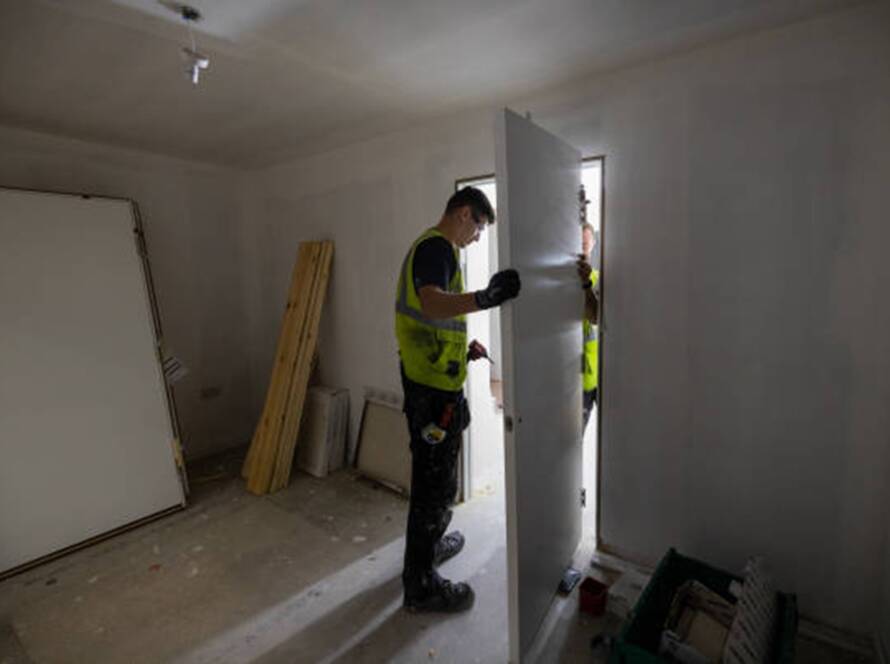
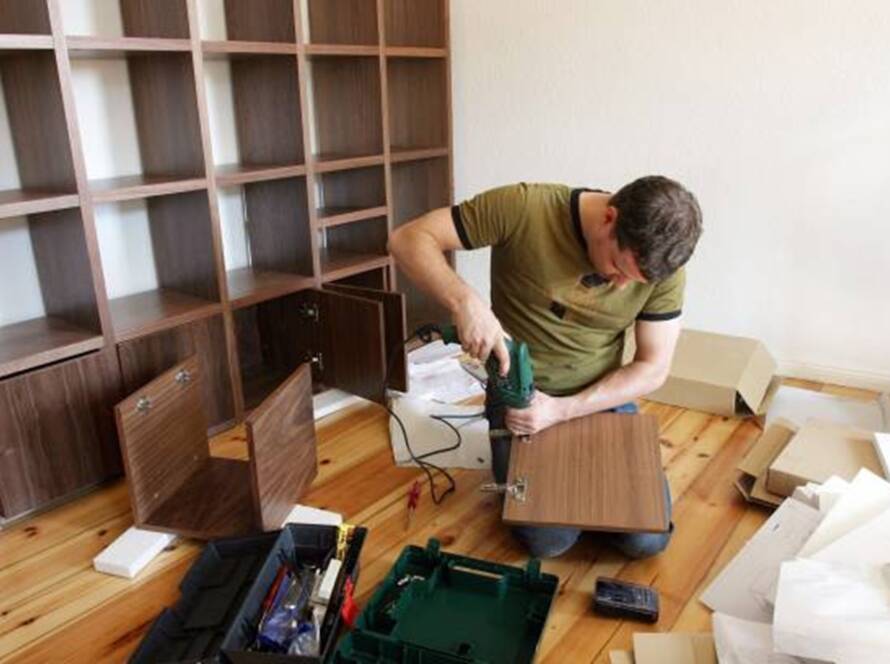
A flawless wood door installation starts long before the hinges are tightened. It begins with careful door installation prep, accurate measurements, and a close look at the frame’s condition. Even a beautiful, high-quality wood door can stick, swing poorly, or leave uneven gaps if the opening is misread or the frame is out of square.
This guide walks you through the essential prep steps, from measuring height, width, and depth to spotting frame issues that can affect the final fit. You will also learn how to identify and correct out-of-square openings before installation begins. With this information, you can save time, avoid costly mistakes, and create a smooth, professional-looking door installation that performs beautifully for years.
Key Takeaways
- Door installation prep helps prevent poor fit, rubbing, sticking, and latch issues.
- Always measure width and height in multiple places.
- Check the floor, frame, header, and diagonals before installation.
- Use the smallest measurement when planning door fit.
- Fix plumb, level, and square issues before securing the frame.
- Shim behind hinge points for stronger support.
- Recheck door swing, reveals, and latch alignment before finishing.
Door Installation Prep: How To Measure and Check the Opening Before Installing a Door
Tools You Need Before Measuring
You do not need a large tool kit, but accuracy matters. Gather these tools before you begin:
- Tape measure
- 4-foot level
- Framing square
- Pencil
- Notepad
- Straightedge
- Shims
- Utility knife
- Hammer or pry bar
- Screwdriver
- Laser level, optional but helpful
A small measuring mistake can create a big fit problem. Always write measurements down immediately and label them clearly. If you are ordering from an interior door shop, these measurements can also help the supplier recommend the correct slab or prehung door size.
Step 1: Measure The Width of The Opening
Start by measuring the width of the door opening in three places:
Top Width
Measure from the inside of one side jamb or framing member to the other at the top.
Middle Width
Measure across the center of the opening.
Bottom Width
Measure across the bottom near the floor.
Do not assume all three measurements are the same. Walls can shift, framing can bow, and old door frames can become uneven over time. Use the smallest width measurement when planning the door fit because that is the tightest point.
For a slab replacement, compare the opening and existing jamb size to the door slab size. For a prehung unit, compare the rough opening to the manufacturer’s recommended rough opening size. This part of door installation prep helps prevent ordering errors before the door arrives.
Step 2: Measure the Height of the Opening
Next, measure the height on both sides and in the center:
- Left Height: Measure from the floor or finished floor surface to the underside of the head jamb or top framing.
- Center Height: Measure in the middle of the opening.
- Right Height: Measure on the opposite side.
Again, use the smallest number as your controlling measurement. If one side is shorter, the frame may be out of level, or the floor may be uneven.
This step is especially important when flooring has been changed. New tile, hardwood, laminate, or carpet can raise the finished floor height and reduce door clearance. In larger remodels, renovation management teams should confirm flooring height before final door sizing.
Step 3: Check the Floor Level
A wood door may fit correctly at first glance, but an uneven floor can create a serious problem at the bottom. Place a level across the floor from one side of the opening to the other.
If one side is higher, the door may need trimming, or the jamb may need adjustment. For interior doors, there should be enough clearance for flooring, rugs, and air movement. The required clearance depends on the door type, the flooring material, and the room use.
In remodels, this is where residential building services can be useful. Experienced builders can identify whether the floor issue is minor or part of a larger framing or structural concern.
Step 4: Check if the Frame is Plumb
A frame is plumb when it is straight up and down. Place a level against the hinge side of the frame, then repeat on the latch side.
If the bubble is not centered, the frame leans. A leaning frame can cause the door to swing open or closed by itself. It can also make the latch miss the strike plate.
Small plumb issues can often be corrected with shims during installation. Larger problems may require removing and resetting the jamb. Careful door installation prep helps you catch these problems before the door is permanently installed.
Step 5: Check if the Header is Level
Place your level across the top of the opening. If the header is not level, the top reveal may look uneven after the door is installed.
A slightly uneven top can sometimes be corrected with careful shimming. However, if the header is severely sloped, the door may bind at one corner or leave a wide gap at the opposite corner.
This is one of the most overlooked parts of door installation prep, especially in older homes where framing may have settled over time.
Step 6: Check For Square
A square opening has true 90-degree corners. To check this, use a framing square at the top corners. You can also measure diagonally from the top left to the bottom right, then from the top right to the bottom left.
If both diagonal measurements match, the opening is square. If they are different, the opening is out of square.
A small difference may be manageable. A larger difference can cause uneven gaps, rubbing, or latch problems. This is especially important for solid wood doors, which are heavier and less forgiving than some hollow-core doors. If the door is being installed as part of a new addition or home extension, home extension builders should verify the squareness of the openings before drywall and trim work begin.
How to Fix an Out-of-Square Door Frame
1. Remove Trim if Needed
If the casing hides the jamb edges, carefully remove the trim. This lets you see where the jamb is nailed, shimmed, or pinched. Score paint lines first with a utility knife so the wall finish does not tear.
2. Loosen the Jamb
If the frame is already installed, remove or loosen fasteners in the affected area. For twisted or out-of-square frames, loosen the jamb by removing the fasteners that hold it in place so the frame can be squared and corrected.
Do not force the jam aggressively. Wood frames can split, especially around hinge mortises.
3. Correct the Hinge Side First
Set the hinge jamb plumb. Shim behind each hinge location, not just at random points. This gives the screws solid backing and prevents the jamb from bowing when the door weight is applied.
Use longer screws through at least one hinge into the framing if the door is heavy or the jamb needs more support. Skilled residential building services can help correct this when the framing behind the jamb is weak, uneven, or damaged.
4. Adjust the Strike Side
Once the hinge side is plumb, adjust the strike jamb so the reveal is even from top to bottom. Keep the jamb spacing consistent. Use a tape measure or spreader to confirm the opening width does not pinch in the middle.
This part of door installation prep is important because even a small strike-side error can stop the latch from catching properly.
5. Fix the Header Reveal
If the gap above the door is uneven, shim the top corners of the jamb as needed. Do not over-shim the center of the header, since this can bow the jamb downward and cause rubbing.
6. Recheck the Diagonals
After shimming, measure diagonally again. The closer the diagonal measurements are, the more square the opening will be.
Also, open and close the door several times before final fastening. A frame can look correct while still causing hinge bind or latch misalignment.
7. Secure the Frame
Fasten through shimmed locations. Avoid driving fasteners so hard that they pull the jamb out of alignment.
After fastening, recheck:
- Door swing
- Top reveal
- Side reveals
- Latch alignment
- Plumb, level, and square
- Frame twist
For larger remodels, renovation management teams should ensure this final check occurs before painting, casing installation, or the final walkthrough. If the opening is part of a new room layout or home extension, home extension builders should also confirm that the door opens and closes smoothly before the project moves into finishing work.
Conclusion
Strong door installation prep makes wood door installation smoother, cleaner, and more reliable. By carefully measuring the opening, checking the floor level, confirming plumb sides, reviewing the header, and correcting out-of-square frames, homeowners can avoid common problems such as sticking, rubbing, uneven gaps, and poor latch alignment. These simple checks also help protect the door’s finish and reduce extra trimming or repair work. Whether the project involves one interior door or a full remodel, proper preparation creates a better final result.
For accurate door prep, framing support, and professional installation, contact Dunlap Construction LLC today.
FAQs
How much gap should be around a wood interior door?
Most interior doors need a small, even reveal around the top and sides, plus enough clearance at the bottom for flooring and air movement. The exact gap depends on the door type, frame, hardware, and flooring material.
Can I install a wood door in an out-of-square frame?
You can sometimes install a door in a slightly out-of-square frame with careful shimming and adjustment. If the frame is badly out of square, it should be corrected before installation to avoid rubbing, poor latching, and uneven gaps.
Should I measure the old door or the opening?
Measure both, but rely more on the opening and frame condition. An old door may have been cut to fit an imperfect frame, so copying its size can repeat past problems.
Do solid wood doors need more prep than hollow-core doors?
Yes. Solid wood doors are heavier and can react more to humidity. They need accurate hinge support, proper clearances, and sealed edges if trimmed.
What does it mean if my door closes by itself?
A door that swings open or closed by itself often means the frame or hinge side is not plumb. The jamb may need adjustment before the door can hang correctly.