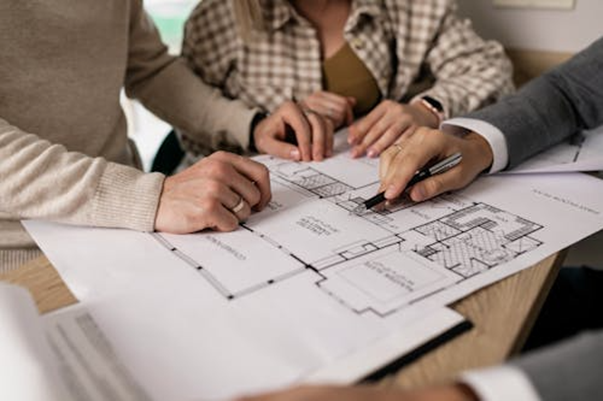
Planning a construction or renovation project should feel exciting, not overwhelming. Yet without structure, even small upgrades can spiral into delays, budget overruns, and frustration. That is where professional residential building service coordination makes the difference.
Whether working with home extension builders for a larger footprint, upgrading interior finishes, or modernizing hardware as elongated cabinet pulls, a clear checklist transforms chaos into clarity. This step ensures preparation, planning, and smart renovation management for stress-free project execution.
But what exactly is included in this checklist? Read on to find out!
Key Takeaways
- A clearly defined scope and structured renovation management plan prevent delays and costly change orders throughout the construction process.
- Early material selections, including visits to an interior shop, protect timelines and ensure design consistency.
- Partnering with experienced home extension builders ensures structural integration and long-term durability.
- Detailed quality control inspections safeguard both aesthetic finishes and mechanical performance before project completion.
Residential Building Services Checklist for Stress-Free Project Planning
Start With a Clearly Defined Vision
Every successful build begins with purpose. Are you adding square footage? Improving layout efficiency? Increasing resale value?
Defining the end goal helps builders create accurate plans and realistic budgets.
For example, home extension builders need to understand how the new space connects structurally and aesthetically to the existing home. That includes rooflines, foundation load capacity, and interior flow. A vague idea often leads to change orders later. A detailed vision prevents costly mid-project revisions.
Conduct a Feasibility Assessment
Before committing to final plans, evaluate structural and zoning feasibility. Professional renovation management teams assess:
- Lot setbacks and zoning restrictions
- Structural load capacity
- Utility access points
- Drainage and grading
- Existing framing condition
This early assessment protects homeowners from surprises once demolition begins.
Build a Comprehensive Budget Framework
A realistic budget includes far more than materials and labor. Residential building service accounts for:
- Architectural and design fees
- Engineering consultations
- Permit costs
- Demolition
- Structural upgrades
- Finish materials
- Fixtures and hardware
- Contingency reserves
Hardware selections may appear minor, but can impact cabinetry spacing and door clearance. Professionals budget for these details upfront to ensure smoother installation.
A contingency reserve of 10 to 20 percent protects against hidden structural issues, outdated wiring, or plumbing complications discovered during construction.
Choose the Right Residential Building Service Team
Not all contractors operate with the same level of organization. Look for a residential building service provider that emphasizes structured management and transparent communication.
Ask about:
- Weekly progress updates
- Digital tracking tools
- Subcontractor coordination systems
- Quality control procedures
- Warranty coverage
Home builders should demonstrate experience integrating new additions seamlessly into existing structures. Review portfolios carefully and confirm licensing and insurance coverage.
Secure Permits and Code Compliance
Permits are not optional. They protect safety, structural integrity, and long-term property value. Residential builders manage permit submissions and inspections to ensure compliance with local building codes. Skipping permits can delay resale transactions and lead to costly penalties.
Develop a Detailed Project Timeline
A structured timeline outlines each construction phase, including:
- Site preparation
- Demolition
- Foundation and framing
- Mechanical rough-ins
- Inspections
- Drywall and finishing
- Cabinetry and hardware installation
- Final walkthrough
Renovation teams should provide milestone-based schedules rather than vague completion dates. Clear sequencing keeps trades organized and prevents workflow bottlenecks.
Make Material Selections Early
Material delays are among the most common causes of project overruns. Create a selection calendar for:
- Flooring
- Paint
- Lighting
- Cabinetry
- Countertops
- Doors
- Trim
- Hardware
Visiting an interior door shop early allows homeowners to compare hollow core, solid core, and engineered wood options before framing adjustments become expensive. Door thickness and swing direction must align with the layout plans. Coordinating these decisions with management ensures smooth installation.
Plan Structural and Mechanical Systems Carefully
Electrical wiring, plumbing reroutes, and HVAC updates should be mapped before walls are closed. Modern Residential Building Service teams often use 3D modeling to visualize these systems.
For example, kitchen expansions may require relocating plumbing lines to accommodate new cabinetry with long pulls of the cabinet. Advanced planning prevents costly rework and maintains design cohesion.
Establish Communication Protocols
Communication determines project satisfaction. Agree on:
- Weekly meeting schedules
- Preferred communication channels
- Approval processes for changes
- Documentation of budget adjustments
Professional renovation management includes written change orders detailing scope modifications, cost impacts, and timeline shifts before work proceeds.
Prepare the Home Environment
If living in the property during construction, set clear boundaries between active work zones and living areas. Dust barriers, sealed doorways, and daily cleanup routines maintain safety and comfort.
Residential Building Service teams experienced in occupied renovations implement protective measures to reduce disruption.
Monitor Quality Control
Quality checks should occur at major milestones, including:
- Framing alignment
- Electrical and plumbing inspection
- Cabinet installation
- Hardware placement
- Door alignment
If extended cabinet pulls are installed unevenly or interior doors are misaligned, corrections should occur before final payment. Professional renovation management includes internal inspections beyond city requirements.
Integrate Modern Technology
Forward-thinking residential building service providers use digital dashboards and cloud-based tracking systems. These tools allow homeowners to view schedules, invoices, and progress photos in real time. Technology improves accountability and minimizes misunderstandings.
Plan for Sustainability and Efficiency
Energy-efficient insulation, high-performance windows, and LED lighting systems reduce long-term operating costs. Sustainable building practices increase resale value and environmental responsibility. Builders increasingly incorporate smart home infrastructure during framing, ensuring future upgrades can be added easily.
Conduct a Final Walkthrough
Before closing the project, perform a comprehensive inspection:
- Test all doors for smooth operation
- Verify hardware alignment
- Inspect paint finishes
- Confirm plumbing functionality
- Review electrical outlets and switches
Collect warranty documents and maintenance guidelines for installed systems.
A structured final walkthrough protects both homeowner and contractor.
Wrap Up
A successful renovation is not the result of luck. It is the outcome of careful planning, clear communication, and structured coordination from start to finish.
When homeowners follow a detailed residential building services checklist, they reduce uncertainty, control costs, and protect project timelines. From early feasibility assessments to final quality inspections, each step plays a role in delivering durable, well-integrated results. By working with experienced professionals and making informed decisions early, construction becomes a manageable, organized process.
With the right preparation and expert service providers, your project can move forward confidently, delivering a finished space that supports comfort, function, and long-term value. Dunlap Construction LLC plans every step of the project for a smooth execution. Connect with us today!
FAQs
What documents should homeowners keep after project completion?
Homeowners should securely store permit approvals, inspection records, warranties, and final contracts. These documents protect against future disputes, support insurance claims, and add value during resale. Keeping them organized ensures proof of compliance, guarantees on materials or workmanship, and a clear record of what was agreed upon with contractors.
How can homeowners compare multiple building service bids effectively?
Don’t just look at price. Compare bids by evaluating scope clarity, timeline detail, material allowances, and communication structure. A lower bid may hide exclusions or vague terms. Choosing based on transparency and detail helps homeowners avoid unexpected costs and ensures the contractor’s approach matches expectations for quality and reliability.
How early should home extension builders be involved in planning?
Builders should be consulted during the design phase. Early involvement ensures structural feasibility, realistic cost projections, and smoother coordination with architects. This prevents surprises later, keeps budgets accurate, and helps align design choices with construction realities, saving homeowners time, money, and stress throughout the project.
Are long cabinet pulls compatible with all types?
Not always. Compatibility depends on cabinet thickness, door style, and mounting requirements. Long cabinet pulls can overwhelm smaller doors or fail to install securely on thin materials. Homeowners should check manufacturer guidelines and consider aesthetics, ergonomics, and durability before choosing hardware to ensure both function and design are supported.