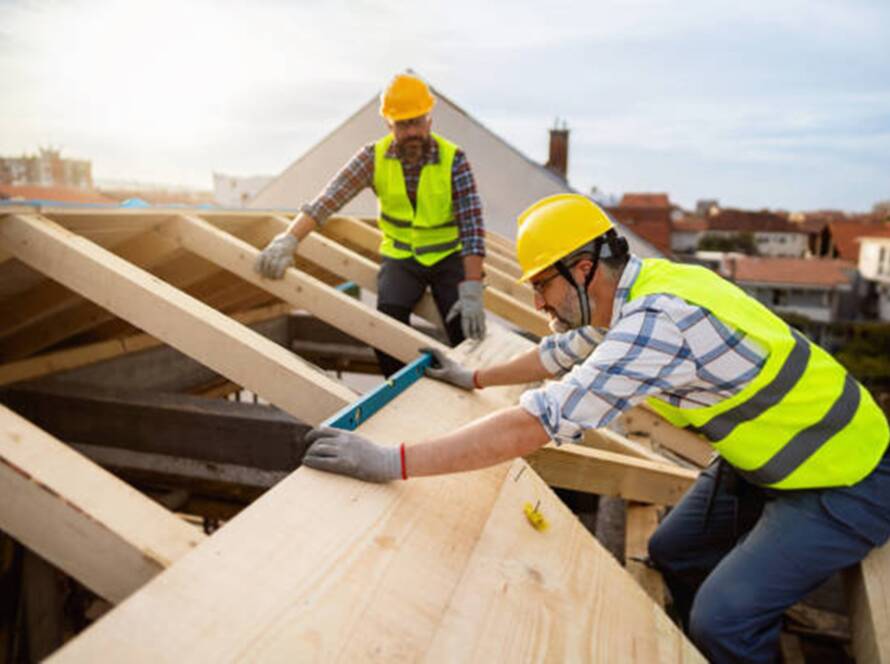
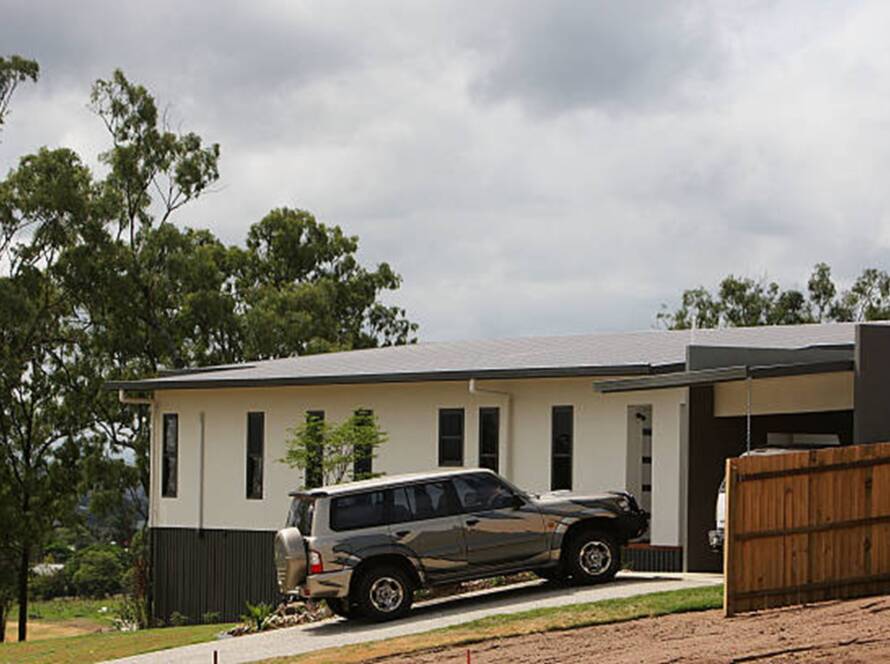
Building a home often starts with a clear budget, but many homeowners find costs shift as the project progresses. In most cases, the issue is not unexpected problems. It is the missed details early on.
That is where a home build consultation plays a key role. It is the stage where plans, costs, and expectations should come together clearly. When the right questions are asked at the beginning, it becomes much easier to avoid confusion, delays, and extra expenses later in the process.
Key Takeaways
- Clear planning reduces cost changes. When details are discussed early, there is less room for unexpected adjustments later.
- Asking the right questions matters. Strong questions during a consultation help uncover hidden costs before work begins.
- Preparation improves accuracy. Homeowners who come prepared usually receive more realistic estimates.
- Communication keeps projects stable. Regular updates help prevent small issues from turning into bigger expenses.
- Early decisions save money. Finalizing key choices before construction avoids costly mid-project changes.
What to Ask in a Home Build Consultation to Stay on Budget
A consultation before starting your home construction is about understanding how every part of the project connects to your budget. We guide homeowners through this step so nothing important gets missed.
1. Questions That Clarify What You Are Actually Paying For
Before moving forward, it is important to understand what your estimate really covers. Many cost surprises come from assumptions rather than actual pricing gaps.
Here are the questions we recommend asking from home extension builders:
- What is included in the estimate in detail?
- What items are excluded and may cost extra later?
- How is material pricing calculated and updated?
- Are allowances realistic for your choices?
- How are additional costs communicated and approved?
This level of clarity helps avoid confusion when working with different vendors, whether suppliers or a specific shop like an interior door shop.
2. Questions That Lock Down Scope Before Work Begins
The scope of work defines what will actually be built. Without a clear scope, even a well-planned budget can shift quickly.
During a home build consultation, focus on:
- Can you provide a written scope that outlines all the work included?
- Which decisions do I need to finalize before construction begins?
- Which parts of the project are more likely to change later?
- How will design adjustments affect the overall pricing?
- What happens if planning is not fully completed before starting?
We always emphasize that solid planning up front keeps the project aligned from start to finish.
3. Questions About Timeline and Its Impact on Cost
Time and budget are closely connected. Delays often bring additional labor costs and material price changes.
To stay ahead, ask:
- What is the realistic timeline with built-in buffers?
- What common delays happen in similar projects?
- How do delays affect labor and overall cost?
- How will schedule changes be communicated?
As part of our residential building services, we focus on realistic timelines to reduce the risk of extended costs.
4. Questions About Daily Construction Management
Knowing who is responsible on-site helps prevent miscommunication and mistakes.
Make sure to ask these during the home build consultation:
- Who manages the project daily?
- How often are updates shared?
- How are issues or errors handled?
- What communication process is followed?
Strong day-to-day management is a key part of effective renovation management, especially when multiple tasks are underway simultaneously.
5. Questions That Prepare You for Unexpected Costs
Even with good planning, some variables cannot be fully predicted. What matters is how prepared you are.
During your home build consultation, cover:
- What percentage should be set aside as contingency?
- Common unexpected costs in similar builds?
- How may site conditions impact pricing?
- How are material changes handled?
Planning for these situations early reduces stress later and helps you stay financially in control.
6. Questions About Contracts and Payment Terms
Contracts define how everything is handled once work begins. Clear terms protect both the homeowner and the builder.
Important points to ask about:
- Whether pricing is fixed or flexible?
- How are payments scheduled across project phases?
- How are change orders approved and priced?
- What protections are included in the agreement?
This is especially important when working with specialized professionals, such as home extension builders, whose project scope can evolve over time.
What Homeowners Should Sort Out Before Meeting a Contractor
Before any consultation, preparation makes a big difference. When homeowners come in with clear ideas, the conversation becomes more productive and accurate.
Here is what we suggest getting ready:
- A realistic budget range based on your goals.
- A list of must-haves and optional features.
- Reference images to explain your vision.
- Basic understanding of your property layout.
- Readiness to make early decisions.
This preparation helps us guide the home build consultation more effectively and keeps everything aligned from the beginning.
Warning Signs That Can Lead to Cost Surprises
Not every consultation provides the clarity you need. Knowing what to watch for can help you avoid future issues.
Pay attention to these signs:
- Vague answers when discussing pricing or scope.
- No written breakdown of costs.
- Estimates that seem too low without explanation.
- Avoiding discussions about risks or contingencies.
- Poor communication during early conversations.
When these signs appear, it often leads to confusion later, which can increase both time and cost.
Conclusion
Budget surprises are rarely random. In most cases, they come from details that were not discussed early enough. A strong home build consultation gives you the chance to ask clear questions, understand your project fully, and make informed decisions before construction begins. We believe in planning first, so our clients feel confident at every step.
If you are thinking about building or updating your home, reaching out to a reliable contractor for a consultation is a practical way to start with clarity and avoid unnecessary costs later.
FAQs
1. What happens during a consultation for home building?
A home build consultation is where we discuss your project goals, budget range, timeline, and important decisions. It helps create a clear starting point before any construction begins.
2. How detailed should a construction estimate be?
It should clearly list what is included, what is not, and where additional costs may arise. A detailed estimate reduces confusion and helps you plan better.
3. How much extra budget should I plan for unexpected costs?
Most projects benefit from setting aside around 10 to 20 percent as a contingency. This helps cover changes without affecting the main plan.
4. Can I make changes after construction starts?
Yes, but changes often increase both cost and timeline. That is why a detailed home build consultation helps finalize important decisions early.
5. Why do projects go over budget even after planning?
The most common reasons are unclear scope, delayed decision-making, and poor communication. A structured consultation helps significantly reduce these risks.