A fiberglass door can be a smart upgrade when you want your entryway to look better, feel more secure, and perform well through changing weather. It offers the style homeowners often want from wood, but with less warping, cracking, and maintenance over time. Still, the right choice depends on more than appearance.
Energy performance, lock strength, frame quality, glass options, installation accuracy, and long-term durability all matter. So, before choosing fiberglass door installation, first understand both the benefits and the tradeoffs so you can decide if it truly fits your home.
Key Takeaways
- Fiberglass doors can improve energy efficiency when installed and sealed properly.
- They offer lower maintenance than many wood doors.
- Quality, frame fit, and weatherstripping affect long-term performance.
- Strong hardware improves security.
- Style, glass, color, and trim choices can boost curb appeal.
- Poor installation can cause leaks, drafts, sticking, and lock issues.
Fiberglass Door Installation Pros
1. Strong Energy Efficiency
One of the biggest advantages of fiberglass door installation is energy performance. Many fiberglass doors are built with insulated cores that help reduce heat transfer between indoors and outdoors. This can help keep entry areas more comfortable in both hot and cold weather.
Energy efficiency also depends on the full door system, not only the slab. Weatherstripping, glass inserts, threshold quality, frame fit, and installation all matter. A well-installed fiberglass door can reduce drafts and help the HVAC system work more efficiently.
Best for Energy Savings When
- The old door has air leaks.
- The current door is warped.
- The entry feels hot or cold.
- Weatherstripping no longer seals.
- The threshold is damaged.
- The door includes an insulated core.
If the project is part of a larger exterior remodel or addition construction, ask early how the new entry door will connect with insulation, siding, trim, and flashing.
2. Lower Maintenance Than Wood
Wood doors look beautiful, but they can require regular care. Moisture, sun exposure, and temperature changes can cause swelling, shrinking, cracking, or fading. Fiberglass doors are designed to resist many of these issues.
A fiberglass door usually does not require the same level of sanding, staining, or sealing as a wood door. It can often be cleaned with mild soap and water. Painted or stained finishes may still need touch-ups over time, but the material itself is less demanding.
This makes fiberglass a practical choice for busy homeowners who want a good-looking entry without constant upkeep. For homeowners planning a larger exterior update, home extension builders can also help make sure the door style works with the home’s layout, siding, trim, and entry design.
3. Good Resistance to Warping and Rot
Fiberglass does not absorb moisture as readily as natural wood does. That makes it less likely to rot, swell, or warp when exposed to humidity or rain. In wet climates or sun-exposed entries, this can be a major benefit.
This does not mean fiberglass doors are completely maintenance-free. The frame, threshold, seals, and finish still need care. Water should still be directed away from the doorway. But compared with many wood doors, fiberglass is more forgiving in changing weather.
4. Realistic Wood-Look Options
Modern fiberglass doors can closely mimic the look of wood grain. Many are available in styles resembling oak, mahogany, fir, or cherry, or in smooth painted finishes. Homeowners can choose traditional panels, craftsman styles, modern flat panels, decorative glass, sidelites, or transoms.
This makes fiberglass useful for improving curb appeal without choosing a high-maintenance wood slab. A good design can make the entry feel warmer, more up-to-date, and more welcoming. A remodeling consultation can also help homeowners compare colors, glass styles, hardware finishes, and trim details before choosing a final door design.
5. Solid Security Potential
Fiberglass doors can provide strong security when paired with the right frame, lockset, deadbolt, strike plate, and installation method. The slab matters, but the lock area and frame reinforcement are just as important.
For better security, consider:
- A quality deadbolt
- Long screws in the strike plate
- Reinforced strike hardware
- Proper hinge screws into framing
- A strong frame system
- Secure glass placement
- Proper latch alignment
Hardware selection matters too. In some mixed-use properties or higher-traffic entries, stronger hardware, including commercial door handles, may be considered where appropriate. For a typical home, choose residential hardware that fits the door thickness, style, and security needs.
6. Strong Curb Appeal Upgrade
A dated, damaged, or poorly fitting front door can make the whole home look older. A new fiberglass door can refresh the entry quickly, especially when paired with updated lighting, house numbers, trim, paint, and landscaping.
Fiberglass doors can support many design goals, including:
- Classic wood-look warmth
- Modern clean lines
- Bright painted colors
- Decorative glass
- Improved symmetry
- Better entry lighting
- A more polished exterior
A remodeling consultation can help homeowners choose a door style that matches the home’s architecture rather than relying solely on catalog photos. This is especially helpful when fiberglass door installation is part of a larger curb appeal upgrade.
Cons of Fiberglass Door Installation
1. Higher Upfront Cost Than Some Basic Steel Doors
Fiberglass doors can cost more than basic steel doors, especially when they include decorative glass, custom sizes, premium finishes, sidelites, or upgraded hardware. The price can increase further if the frame needs repair or the opening needs adjustment.
However, cost should be compared over time. A cheaper door may require more maintenance, insulate less well, or have less impact on curb appeal. The best value depends on your goals.
2. Quality Varies by Product
Not all fiberglass doors are equal. Some lower-end models may have thinner skins, less realistic textures, weaker internal reinforcement, or finishes that fade faster. Higher-quality doors usually perform better and look more realistic.
Before buying, compare:
- Door thickness
- Core insulation
- Frame material
- Finish warranty
- Glass quality
- Weatherstripping system
- Hardware reinforcement
- Manufacturer reputation
This is where professional guidance can be helpful. A contractor or door supplier can explain which options make sense for your home, climate, and budget. If the door is being added during addition construction, the product should also be reviewed with the new wall system, insulation plan, and exterior finish.
3. Repairs Can Be More Difficult Than Wood
Wood can often be sanded, filled, refinished, or reshaped by an experienced carpenter. Fiberglass damage may be more difficult to repair invisibly, especially if the door has a textured or stained wood-look finish.
Minor scratches may be manageable, but deeper dents, cracks, or finish damage may require special repair products or professional service. In some cases, replacement may be more practical than repair.
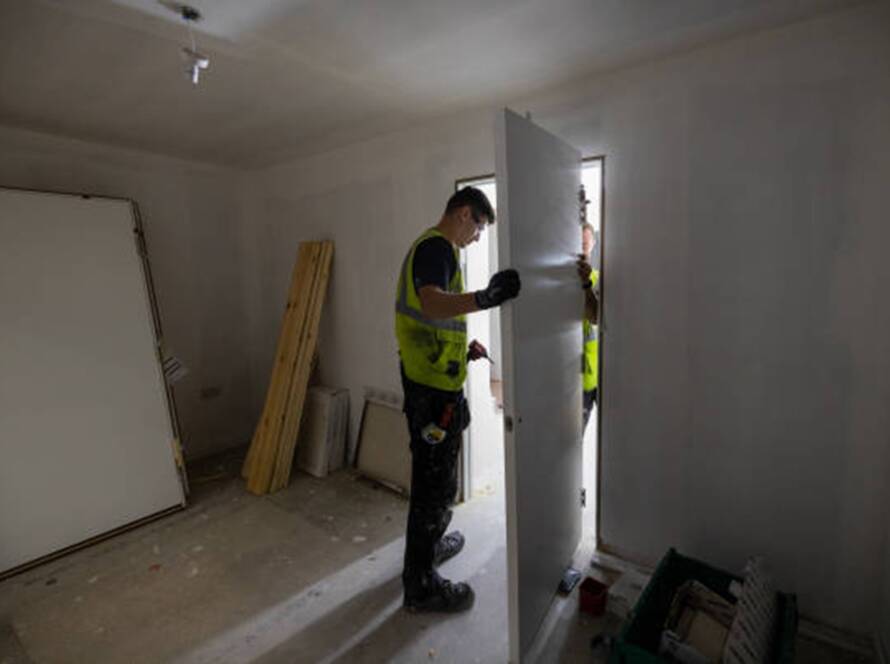
4. Poor Installation Can Ruin Performance
A fiberglass door is only as good as its installation. If the frame is out of square, the threshold is uneven, or the weatherstripping is compressed incorrectly, the door may not seal properly.
Poor fiberglass door installation can lead to:
- Air leaks
- Water leaks
- Uneven gaps
- Lock misalignment
- Rubbing or sticking
- Reduced security
- Premature wear
This is why installation should be handled carefully, especially in older homes where openings may have shifted over time.
5. Some Designs May Not Match Historic Homes
Fiberglass can look very convincing, but it may not fully match the character of certain historic homes. If your home has original woodwork, period-specific trim, or restoration requirements, a fiberglass door may not always be the best visual choice.
Before replacing a door on a historic or architecturally sensitive property, review local guidelines, neighborhood rules, or preservation requirements when applicable. In these cases, a remodeling consultation can help determine whether fiberglass door installation aligns with the home’s style or if another door material is a better fit.
Conclusion
A fiberglass door can be a smart upgrade for homeowners who want comfort, security, and curb appeal without heavy maintenance. It can help reduce drafts, resist moisture, and create a cleaner entryway appearance when chosen carefully. Still, product quality, frame condition, hardware, and installation details matter.
Before making a final choice, review your home’s style, climate, budget, and long-term needs. With proper planning, fiberglass door installation can support a stronger, better-looking, and more efficient entry that performs well for years.
For expert door planning and installation, contact Dunlap Construction LLC today.
FAQs
Is a fiberglass door good for energy efficiency?
Yes, many fiberglass doors are energy-efficient because they use insulated cores and tight weatherstripping. Performance depends on the full door unit, including glass, frame, threshold, and installation quality.
Is fiberglass better than wood for an exterior door?
Fiberglass is often better for low maintenance and moisture resistance. Wood may be better for homeowners who want natural material and traditional character. The right choice depends on style, budget, and maintenance preference.
Can fiberglass doors look like real wood?
Yes, many fiberglass doors feature realistic wood-grain textures and stainable finishes. Higher-quality models usually look more convincing than basic options.
Are fiberglass doors secure?
Fiberglass doors can be secure when paired with a strong frame, quality deadbolt, reinforced strike plate, long hinge screws, and proper installation. Security depends on the complete entry system.
Do fiberglass doors dent easily?
Fiberglass doors usually resist dents better than many steel doors. However, they can still scratch, crack, or suffer finish damage under heavy impact.