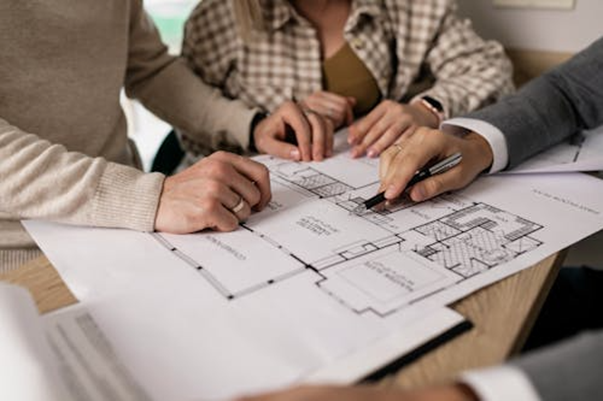
Building a custom home is exciting, but many homeowners underestimate how much planning happens before construction begins. The choices made during preconstruction can affect the timeline, budget, and overall experience of the project. A well-organized plan helps prevent delays, reduces stress, and keeps everyone involved working toward the same goals.
This is where custom home services become valuable. A structured preconstruction process allows homeowners to make informed decisions before work starts, helping avoid costly changes later. From selecting materials to understanding permits and creating a realistic budget, preparation lays the foundation for a successful build.
In this guide, we will walk through a practical preconstruction checklist that homeowners can use before breaking ground.
Why Custom Home Services Matter Before Construction Starts
Many people focus on the construction phase because it is the most visible part of the project. However, some of the most important decisions happen months before the first shovel enters the ground.
A strong preconstruction process helps:
- Clarify project goals
- Identify potential challenges early
- Establish realistic budgets
- Reduce change orders during construction
- Improve communication between homeowners and builders
- Create more accurate timelines
Professional builders understand that careful planning often saves both time and money throughout the project.
Custom Home Services: Preconstruction Checklist
1. Define Your Vision and Lifestyle Needs
Before discussing materials or floor plans with custom home services, it is important to think about how the home will support your daily life.
Consider questions such as:
- How many bedrooms and bathrooms do you need?
- Will family size change in the future?
- Do you work remotely?
- Do you entertain guests frequently?
- Are aging-in-place features important?
- Do you need specialized storage areas?
The answers help guide design decisions and ensure the finished home supports your lifestyle rather than simply looking attractive on paper.
This early planning stage often becomes part of a home build consultation, where homeowners discuss priorities, future goals, and design preferences with experienced professionals.
2. Create a Detailed Selection Plan
One of the biggest causes of construction delays is waiting for product selections. Many building materials require long lead times, especially custom or specialty products.
Exterior Selections
Homeowners should finalize major exterior choices early, including:
- Roofing materials
- Siding products
- Brick or stone finishes
- Exterior paint colors
- Windows and doors
- Garage doors
These selections affect both appearance and scheduling because some products may require weeks or months for delivery.
Interior Selections
Interior choices can be equally important.
Common selections include:
- Flooring
- Cabinetry
- Countertops
- Plumbing fixtures
- Lighting fixtures
- Paint colors
- Tile materials
- Appliances
Making these decisions before custom home services begin construction helps avoid rushed choices later in the project.
3. Understand Permit Requirements
Permits are essential for ensuring construction complies with local building codes and safety regulations.
Permit requirements vary by location, but commonly include:
- Building permits
- Electrical permits
- Plumbing permits
- Mechanical permits
- Grading permits
- Environmental approvals
Working with experienced builders simplifies this process because they understand local regulations and permit procedures.
Permitting timelines can vary significantly. Some approvals may take a few weeks, while others can take several months, depending on project complexity and local government workload.
Starting permit applications early helps prevent scheduling delays.
4. Establish a Realistic Construction Budget
One of the most important parts of preconstruction planning is creating a comprehensive budget.
Many homeowners focus only on construction costs and overlook related expenses. A complete budget should account for:
Construction Costs
These include:
- Labor
- Materials
- Equipment
- Site preparation
- Utility connections
Design and Professional Fees
Professional services may include:
- Architects
- Engineers
- Surveyors
- Interior designers
Permit and Inspection Costs
Permit fees vary based on location and project size.
Contingency Funds
Unexpected expenses can occur even with excellent planning.
Many construction professionals recommend setting aside approximately 10% to 15% of the project budget for unforeseen conditions or owner-requested changes.
Having contingency funds available provides flexibility without creating financial stress.
Evaluate Site Conditions Before Building
Every property presents unique opportunities and challenges. A site evaluation helps identify issues before construction begins. Factors that should be reviewed include:
- Soil conditions
- Drainage patterns
- Utility access
- Topography
- Easements
- Environmental restrictions
- Property boundaries
Site investigations often uncover factors that influence foundation design, grading requirements, and overall construction costs.
Addressing these findings early helps avoid surprises later.
5. Develop a Clear Project Timeline
Construction schedules depend on numerous factors, including weather, material availability, permit approvals, and labor resources.
A realistic timeline should include:
- Design completion
- Permit approvals
- Product ordering
- Site preparation
- Foundation work
- Framing
- Mechanical systems
- Interior finishes
- Final inspections
Understanding each phase helps homeowners maintain realistic expectations throughout the project.
Builders who practice strong contractor project management typically provide detailed schedules and regular updates that keep everyone informed about progress and milestones.
6. Plan for Technology and Future Needs
Modern homes often include technology systems that require planning before walls are closed.
Homeowners should consider:
- Smart home systems
- Security systems
- Structured wiring
- Home networking
- Electric vehicle charging stations
- Solar readiness
- Backup power systems
Adding these features during construction is generally easier and more cost-effective than retrofitting them later. Thinking ahead can increase convenience, efficiency, and long-term property value.
7. Review Furniture and Space Planning Early
Furniture planning is often overlooked during preconstruction, yet it can significantly impact room layouts.
Before finalizing designs, consider:
- Furniture dimensions
- Traffic flow
- Storage needs
- Entertainment areas
- Home office layouts
Planning around actual furniture sizes helps ensure rooms function properly once occupied. For homeowners purchasing new furnishings, discussing layouts early can support smoother professional furniture installation after construction is completed.
Proper planning also helps avoid situations where large furniture pieces do not fit through doorways or work comfortably within a room’s dimensions.
8. Build a Strong Communication Process
Successful projects depend on clear communication.
Before construction begins, establish:
- Primary points of contact
- Preferred communication methods
- Meeting schedules
- Decision-making procedures
- Documentation processes
When expectations are clearly defined, questions can be addressed quickly, and misunderstandings can be minimized. Many experienced builders use structured communication systems to keep homeowners informed throughout every stage of construction.
9. Document Everything
Keeping organized records protects both homeowners and builders.
Important documents may include:
- Contracts
- Design drawings
- Product specifications
- Permit approvals
- Budget updates
- Change orders
- Warranty information
A well-maintained project file makes it easier to track decisions and resolve questions that may arise during construction.
Good documentation also becomes valuable after move-in when homeowners need information about systems, finishes, or warranties.
10. Final Preconstruction Review
Before construction officially begins, conduct a final review of all major project details.
Confirm:
- Design approvals
- Product selections
- Permit status
- Budget allocations
- Construction schedule
- Site preparation requirements
- Communication procedures
This final checkpoint ensures everyone involved is working from the same information and helps reduce avoidable disruptions once construction starts.
Conclusion
Building a custom home is one of the largest investments many families will ever make. The more effort placed into planning before construction begins, the smoother the experience is likely to be. Careful preparation allows homeowners to make confident decisions, reduce uncertainty, and stay focused on creating a home that fits their long-term goals.
If you are considering a custom build, our team at Dunlap Construction can guide you through every stage of the process. Our experienced approach to custom home services helps homeowners navigate planning, preparation, and construction with greater confidence and clarity. Reach out today to discuss your vision.
FAQs
How early should I start planning a custom home project?
Many homeowners begin planning 6 to 12 months before construction starts. Larger or more complex projects may require additional preparation time.
Can material selections affect my construction schedule?
Yes. Certain products, especially custom windows, cabinetry, and specialty finishes, can have long manufacturing and delivery times.
Should I purchase appliances before construction begins?
Major appliance selections should often be finalized early so builders can coordinate electrical, plumbing, and cabinetry requirements correctly.
What happens if permit requirements change during planning?
Builders typically adjust plans and documentation to meet updated requirements before construction begins, helping maintain compliance.
Is it helpful to visit completed custom homes before building?
Yes. Touring finished homes can help homeowners better understand layouts, finishes, storage solutions, and design features they may want to include.
Can I make changes after construction starts?
Changes are usually possible, but they may increase costs and affect timelines. Completing decisions during preconstruction often reduces these impacts.