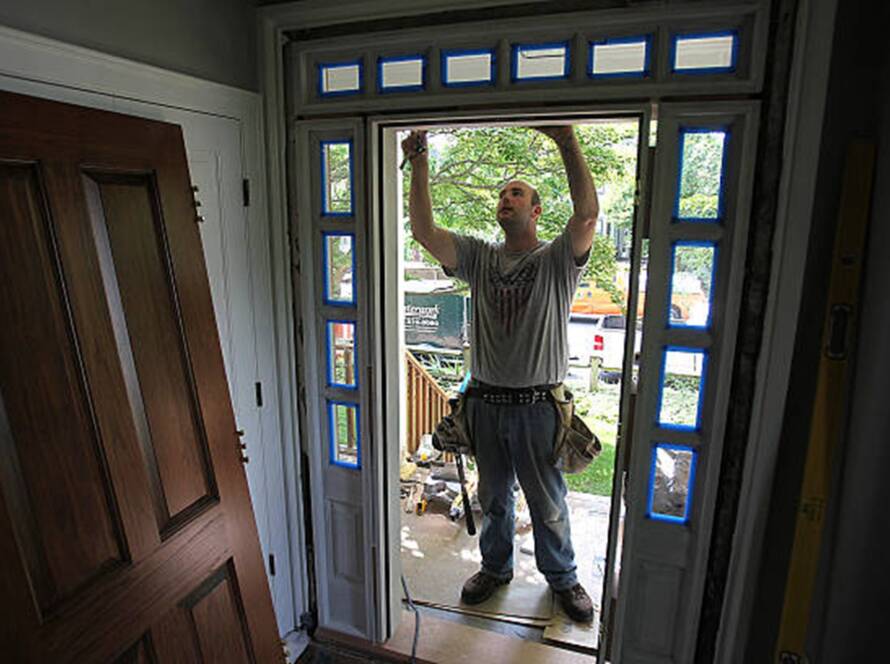
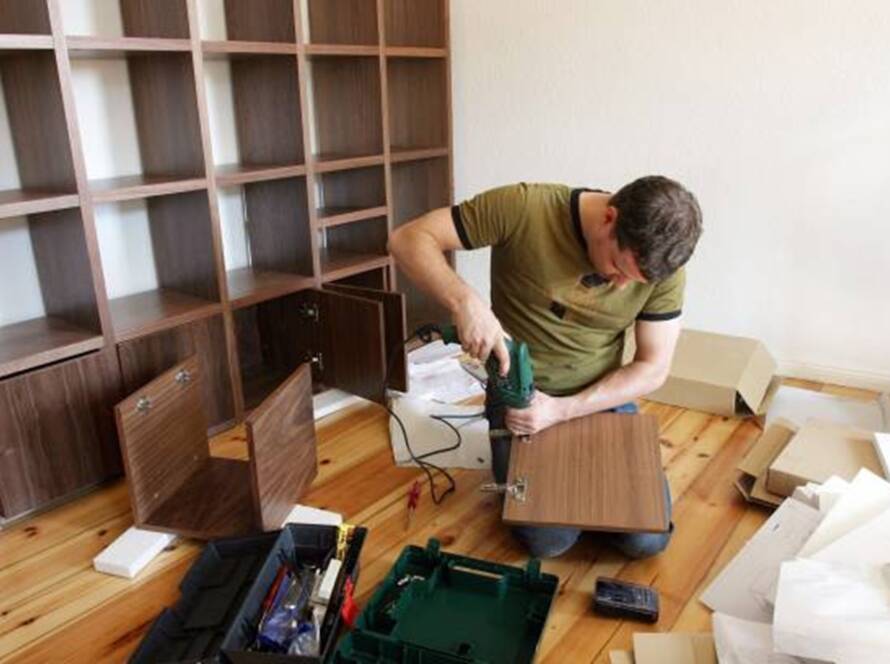
Installing a door often seems straightforward until the moment things stop lining up the way they should. We have seen it happen more times than we can count. A door that sticks, small gaps that let outside air in, or a lock that never quite clicks into place. That is usually when the real decision comes up. It is not just about whether you can install it yourself, but whether the result will hold up over time. Looking at door fitting services vs. DIY through real situations makes it easier to understand what actually works and what ends up causing problems later.
Key Takeaways
- Proper installation requires precision, not guesswork. Even small errors in measuring or alignment can affect how the door works every day.
- DIY works best in limited, low-risk situations. Simple replacements with no structural changes are usually manageable.
- Most problems show up after installation, not during it. Issues like sticking doors or air leaks often appear later.
- Professional door-fitting services reduce long-term repair risks. A correctly installed door lasts longer and performs better.
- Choosing depends on the condition of your space. The structure around the door matters just as much as the door itself.
Door Fitting Services vs DIY: A Closer Look at Both Installation Processes
When we talk about door fitting, most people think it is just about placing a door into an opening. In reality, the process is more detailed than it looks.
Here is what actually goes into it:
- Measuring the opening correctly. Even a small difference can lead to gaps or tight fits.
- Adjusting for uneven surfaces. Walls and floors are rarely perfectly straight, especially in older homes.
- Setting hinges with proper balance. This ensures smooth, strain-free movement over time.
- Sealing edges to control air and moisture. This step directly affects comfort and energy use.
- Aligning locks and latches accurately. Security depends on precise positioning.
We approach each step carefully because the difference in door-fitting services vs. DIY often comes down to how well each step is handled.
When Doing It Yourself Is Enough for Door Installation
There are situations where doing it yourself can work just fine. We always believe in being practical, not pushing services where they are not needed.
DIY can make sense in these cases:
- Replacing an interior door with the same size. If the frame is already in good shape, this is usually straightforward.
- Updating handles or hinges. Small hardware changes do not affect the structure.
- Working in areas with minimal wear and tear. Low-traffic spaces are more forgiving.
- Having the right tools and some experience. Basic knowledge makes a big difference.
In these situations, the risks are low, and the process stays simple. But as complexity increases, the conversation around door-fitting services vs. DIY shifts.
The Point Where DIY Door Installation Stops Working
DIY projects often begin smoothly but start to show issues once installation is complete. This is where many homeowners run into frustration.
Here is where things usually go wrong:
- Doors that do not close cleanly. Misalignment causes daily inconvenience.
- Gaps that let air in and out. This affects heating and cooling efficiency.
- Poor sealing against the weather. Moisture can slowly damage surrounding materials.
- Loose or unstable frames. This weakens both function and safety.
- Fixes that cost more than expected. Small mistakes often lead to bigger repairs.
We have worked on homes where these issues started small but later grew into full corrections. That is why understanding the limits of door-fitting services vs. DIY is important early on.
When Bringing in a Professional Saves Time and Stress
Some projects require experience, tools, and precision beyond basic DIY. This is where professional help makes a clear difference.
You should consider expert installation when:
- Installing exterior doors. These affect security, insulation, and weather protection.
- Working with older structures. Uneven frames require adjustments that are not immediately obvious.
- Handling custom or non-standard sizes. Precision becomes critical here.
- Installing heavier materials. Solid-wood or metal doors require proper support.
- Modifying the frame or opening. Structural changes require careful handling.
We often see this during larger projects, such as additions or upgrades. As home extension builders, we regularly handle structural changes, and door installation is part of a larger system, not just a single task. In these cases, choosing door-fitting services vs. DIY becomes less about preference and more about practicality.
The True Cost Difference Between DIY and Professional Installation
Cost is often the first thing people think about, but it’s helpful to consider both sides before deciding.
Let’s break it down:
Upfront Expenses
- DIY: Lower starting cost, but requires buying or renting tools.
- Professional: Higher initial price but includes labor, tools, and expertise.
Hidden Costs
- DIY: Time spent learning, fixing mistakes, or redoing work.
- Professional: Fewer unexpected issues due to experience.
Long-Term Impact
- DIY: Poor sealing or fit can increase energy bills.
- Professional: Proper installation helps maintain insulation and comfort.
Durability and Performance
- DIY: Higher chance of wear due to small errors.
- Professional: Longer-lasting results with smoother operation.
Professional work may cost more upfront, but it often prevents repeat fixes. During a remodeling consultation, we explain these differences so homeowners can choose what works best for them.
Conclusion
Deciding between door-fitting services vs. DIY is less about preference and more about how complex the job really is. Some doors can be handled with basic tools, while others require the kind of accuracy hard to achieve without experience. Since a door affects comfort, security, and daily use, getting it right matters.
If you are not fully sure what your space needs, we are always here to help. A quick conversation can save time, effort, and unexpected costs down the line. Talk to our team today!
FAQs
1. Is door installation harder than it looks?
Yes, it often is. Many homeowners underestimate how precise the process needs to be. Even small alignment issues can affect how the door opens, closes, and seals over time, which is why door-fitting services vs. DIY is not always a simple choice.
2. How long does professional door installation take?
In most cases, a standard installation can be completed within a few hours. More complex setups, especially with frame adjustments, may take longer. The timeline depends on the condition of the structure and the type of door being installed.
3. Can a poorly installed door affect energy efficiency?
Yes, gaps around the door allow air to pass through, which impacts indoor temperature control. This can lead to higher energy use over time, especially with exterior doors.
4. Do all doors require professional installation?
No, simple interior replacements can often be handled as DIY projects. However, when structural changes or custom fittings are involved, comparing door fitting services vs DIY becomes important to avoid mistakes.
5. Do hardware choices like handles affect installation?
They can. Items like commercial door handles require precise alignment to function correctly. Incorrect placement can affect both usability and security, so proper installation matters.